
War And Hallucinations
The future is here, increasingly distributed.

War and technology have been supercharging each other for a couple of centuries. Napoleon Bonaparte offered a prize to whomever came up with a way for his citizens’ army to travel farther, and, along with the rearrangement of Europe, we got canned food. The Civil War engendered the repeating rifle, held by thousands of PTSD veterans as they soon “settled” the American West, backed by a big postwar gun industry that was doubtless pushing the army to keep buying. Radar and commercial penicillin and nukes in World War II…you get the picture.
I’ve written before about smartphones and the collapse of the cost of violence. Now tech and modern media are striking new levels in this conflict, creating many new and utterly strange developments:
-Sweaty with victory, the White House released a video that mixed Call of Duty play, videos of people and things being blown up, a Childish Gambino sample, and a voice over that announced, “We’re winning this fight.” Grrrr. It was a big hit on X.
-Elsewhere in entertainment, over $1 billion has been wagered in online betting markets since the outbreak of the war. On one level, war profiteering is the kind of betting rich people have always done, when they snap up oil cargoes or trade weapons. Now the fortunes of war have been democratized to wishful profiteers of every income level. What’s different is the diversity of these online bets (Will the attacks will start today or next week,? Will the Shah’s son will return? Will there be a Supreme Leader by March 11?) and their irrelevance to the final outcome. We are betting on the spectacle, as much as the war itself.
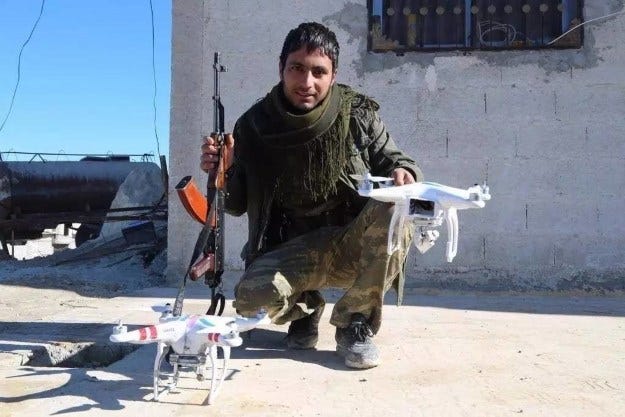
-Ukrainian engineers, who perfected a smartphone/microphone network of audio sensors for Iranian drones fired by Russia, are bringing this technology to the Gulf.
-Israel figured out where the Iranian head of state would be in part by hacking Tehran’s traffic cameras, then applying facial recognition technology to the drivers of every high-ranking Iranian official.1 Then they used AI to sort through zillions of images, plus intercepted phone traffic and God knows what else, to establish the meeting place and time.
-Members of our transnational superclass are in a bind, according to the Financial Times. They are desperately seeking private jets that will fly them into the war zone. They have residency in the United Arab Emirates for tax purposes, but need to meet their minimum residency requirements. If they don’t put in enough time where there’s no income tax, they could be subject to, say, the high income taxes of the U.K. Die horribly in an Iranian drone strike, or pay His Majesty’s lien? No brainer.
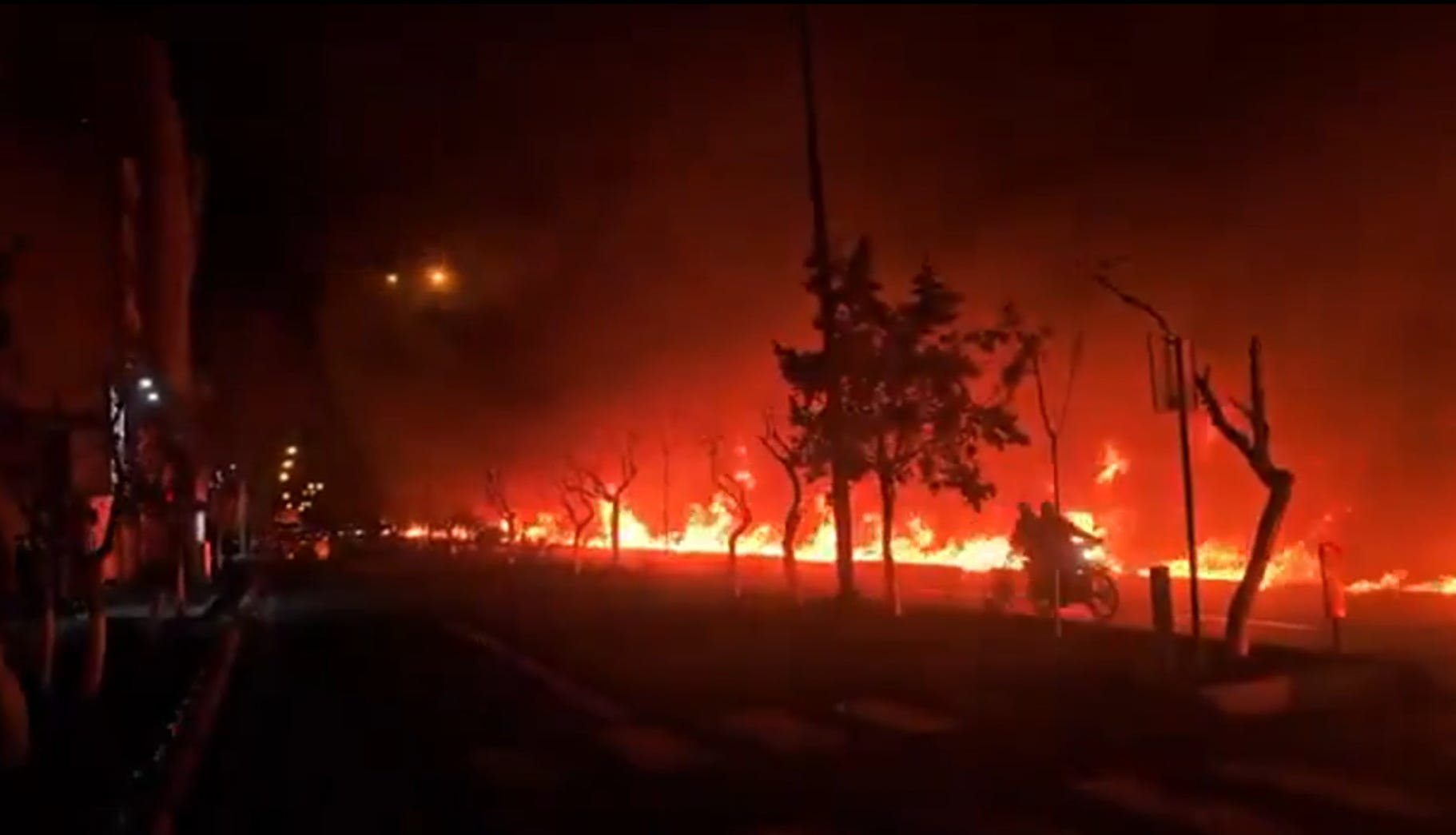
-At the other end of the income spectrum, while war goes on so do the food delivery services in most Mideast cities. Drone attack? Sure, but where’s my pizza! The brave (or desperate) souls on their scooters have difficulty getting to their clients while the food is hot, though, since the GPS used in their map services is frequently jammed to prevent drone navigation.
Chapter One: A surveillance officer has become fixated on a particular delivery driver, and follows that driver’s progress as his scooter dodges drone shrapnel while struggling with his janky cellphone map and checking his acoustic drone-sensing app. The officer cheers the driver on, following the action by switching from one traffic camera to the next. It’s almost like a video game.
Suddenly, a private jet with a tax-dodging billionaire crash-lands on the elevated road above the driver. Seeing the identity of the billionaire and his celebrity passenger, the surveillance officer makes a bet on Polymarket in the name of the delivery driver, then uploads footage to social media…
Years ago I gave up satirical fiction for journalism, since the world (and William Gibson) was making it up faster and better than I possibly could. Now? This?
It’s probably safe to assume China is doing something similar around every U.S. listening post and intelligence facility, and we’re doing the same to them (and likely our own citizens.) Every ATM and Ring doorbell is now a potential sleeping agent in some future conflict.
Some years ago Shoshana Zuboff wrote a popular book called “The Age of Surveillance Capitalism.” I thought it was very smart, but missed a key point: In China it’s Surveillance Communism, in Russia Surveillance Authoritarianism, and in Europe Surveillance Social Democracy. It’s basically Surveillance World, and the cost of the technology has collapsed, blowing out the scale of the snooping.
Yes, but once the consumer is disabled..
Thank you for this Quentin
Methinks when the noose is tightened around our respective necks the transport to deliverance is imminent